
Reviewed by Lim Peter, Founder & Branding Consultant. Written by Lawrence Philemon.
A brand refresh updates how a brand looks and sounds while keeping its name, positioning, and core values. A rebrand changes the foundation: the strategy, and often the name, that the identity is built on. The difference matters because the two have different risks, different scope, and different reasons to start.
If your brand feels dated, the first instinct is often to start over. That instinct can be expensive. Many brands that think they need a rebrand need a refresh, and a few that settle for a refresh really have a deeper problem. This article defines both terms, shows how they differ, lists the signs for each, and gives you a simple audit and a decision table. If you are already choosing an agency, read our guide to rebranding agencies instead.
Brand Refresh vs Rebranding: The Core Difference
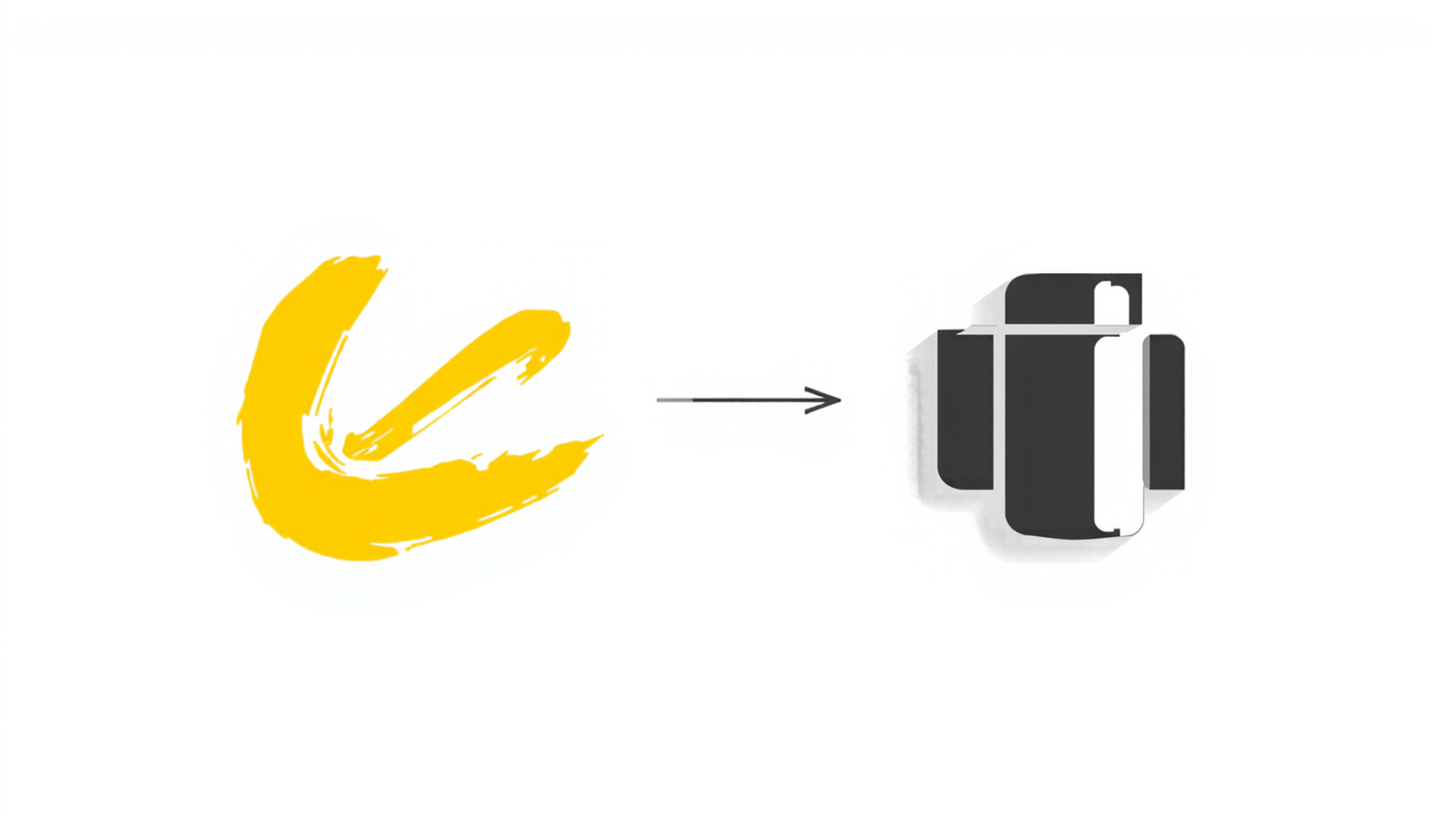
Think of a refresh as a gradual update and a rebrand as a full reset.
What Is a Brand Refresh?
A brand refresh keeps the brand’s identity and updates its expression so it stays relevant. Imagine going to a reunion with a new haircut and a new jacket. Your name is the same, your personality is the same, and old friends still recognize you.
A refresh usually covers:
- simplifying the logo so it reads on small mobile screens;
- updating the color palette;
- changing photography style or typography;
- tightening tone of voice so every channel sounds like one company.
What Is Rebranding?
Rebranding is a fundamental change at the level of the business’s identity: its positioning, values, and often its name. It fits when the old identity has become a burden, or when the company’s direction changes, for example after a merger, an acquisition, or a shift in vision.
Because the risk is higher, the decision benefits from an outside view, so you are not trapped by internal bias. That is the work of branding consultation.
Side by Side
| Brand refresh | Rebranding | |
|---|---|---|
| Main focus | Visual and tactical messaging | Vision, mission, and core values |
| Risk level | Low to medium | High |
| Scope | Selected assets and guidelines | Strategy, identity, and every touchpoint |
| End goal | Stay relevant (update) | Transformation (reset) |
Cost is not a row in this table on purpose. What a project costs depends on scope, which we cover below as a set of factors, not as a number.
Signs You Need a Brand Refresh
A refresh fits when the business is sound but the look has fallen behind. Common signals:
- The logo fails in modern formats. View it in dark mode on a phone, as an app icon, or at very small sizes. Complex logos with heavy shadows and gradients often become unreadable.
- Your visuals feel dated. If your assets still lean on a stiff corporate illustration style, younger audiences may read the brand as old-fashioned.
- Your channels sound like different companies. The website is formal while social posts try jokes that do not fit. This is common in fast-growing businesses and usually points to a missing set of brand guidelines.
- You added services but the mission is unchanged. The business grew sideways, not in a new direction.
Signs You Need a Rebrand
A rebrand fits when the problem sits below the surface:
- Your target market has changed. You used to serve one customer group and now aim at a different one.
- Your reputation is damaged. A crisis the old identity cannot recover from.
- A merger, acquisition, or licensing change. The company is now a different entity.
- The old name or positioning limits you. The business has outgrown what the name says it does.
The Main Risk: Loyalty of Existing Customers
Both paths carry risk, but a rebrand carries more. Long-time customers form an emotional attachment to your current visuals and name. A sudden change can feel like losing something familiar. Whichever path you choose, tell your existing audience what is changing and why before they discover it on their own. Keep what customers already love, and change what holds the brand back.
A Simple Brand Audit You Can Run Yourself
Before calling an agency or a designer, run this audit. It gives you evidence instead of assumptions.
Step 1: Visual audit (the table test). Gather your physical and digital assets: business cards, packaging, the last three months of social posts, website screenshots, and email signatures. Print them and lay them on a large table. Ask whether they all look like they come from one company. Anything that looks different points to inconsistency.
Step 2: Messaging audit (the About page test). Read your About page. Does it still describe what you sell today? Businesses often outgrow their written story.
Step 3: Customer check. Ask a handful of customers how they would describe your business in one sentence. If their words differ from yours, you have a message gap, not necessarily a visual one.
If steps 1 to 3 show only surface problems, a refresh is probably enough. If they show a mismatch between what the business is and what the brand says, a rebrand deserves a serious look.
What Affects the Scope of Each Project
We do not quote budgets in articles, because they depend on your situation. These are the factors that move scope:
- the number of touchpoints that must change (website, packaging, signage, uniforms, documents);
- whether research and new strategy are needed first;
- whether the name changes, which brings legal and domain work;
- how many markets and languages the brand operates in;
- how much guidance and approval your internal team needs.
A refresh touches fewer of these. A rebrand usually touches all of them.
Decision Table: Choose Your Next Step
| Your main situation | Suggested path |
|---|---|
| Visuals feel dated (sales steady, design behind the market) | Brand refresh |
| Service expansion (new products, mission unchanged) | Brand refresh |
| Target market has changed | Rebrand |
| Reputation damaged beyond easy recovery | Rebrand |
| Merger, acquisition, or licensing change | Rebrand |
Once you know which path fits, the next question is who should do the work. That is covered in our rebranding agency guide.
Not sure which one your brand needs?
Talk through your brand with a branding consultant
Tell us about your business and what feels off. We help you tell a surface problem from a foundation problem before you spend on either.
Chat with us on WhatsApp Email usConclusion: Do Not Change Because You Are Bored
Standing still can mean falling behind, but change should come from business strategy, not from the owner getting tired of seeing the same logo. Whether the answer is a small refresh or a full rebrand, base it on evidence and on where the business is going.